Table of Contents
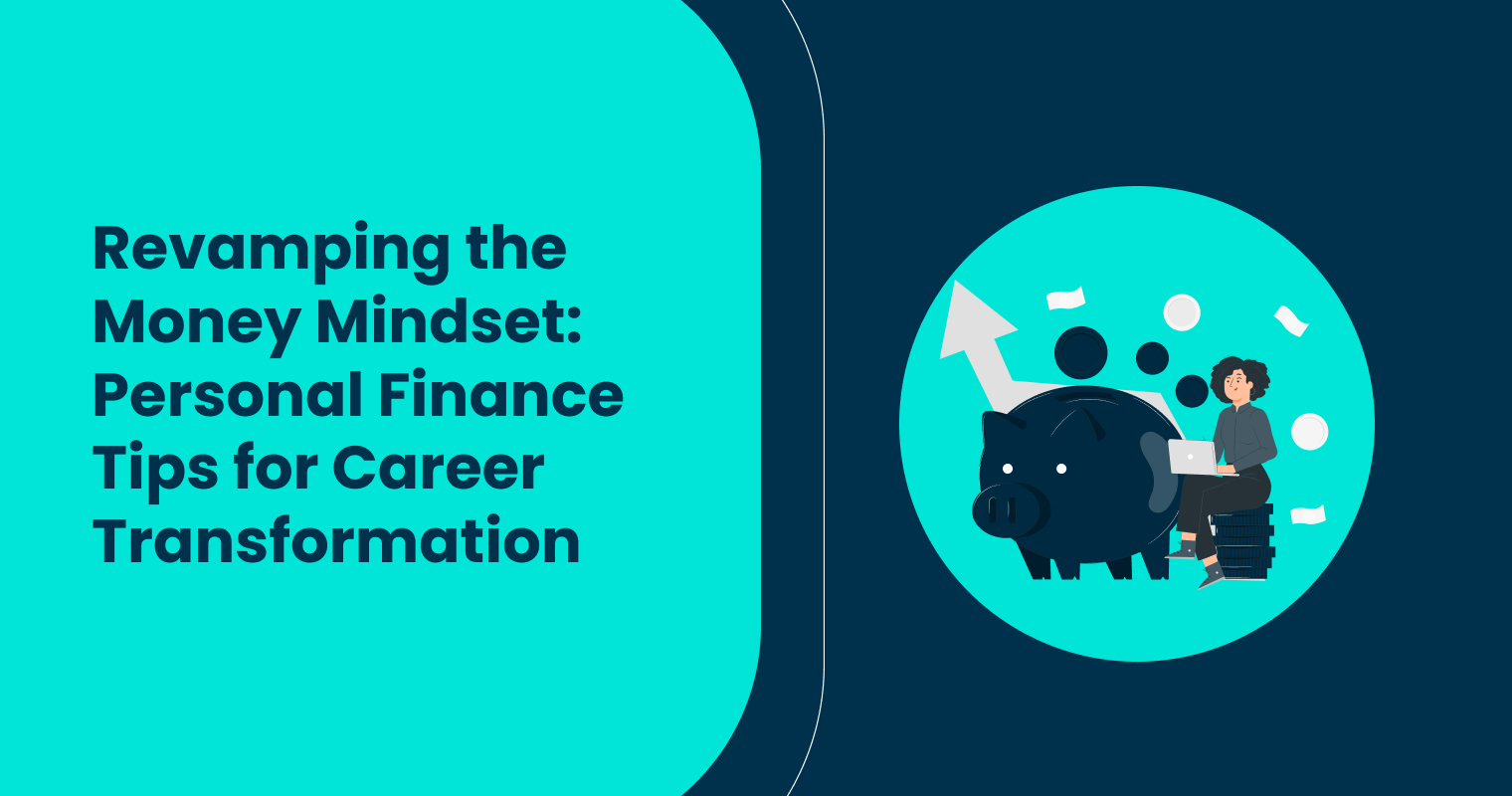
Revamping the Money Mindset: Personal Finance Tips for Career Transformation
By Jai Finance | September 17, 2025
Overview of Personal Finance
What is ‘Personal Finance’ to you? Just counting pennies or sticking to a budget? We guess it’s more than that. It’s about understanding your money, making it work for you, and using it to create the life you want.
It doesn’t matter what phase of life you are in. You can be in the middle of a career shift, or chasing a promotion, or even starting something. In any situation, money plays a huge role in how smooth your journey will be.
But there’s a huge gap in what we want and where we are. What we mean is that many of us carry old habits, fears, and misconceptions about money from earlier in life. And, these things are major obstacles in achieving the dream career transformation.
That’s where “revamping the money mindset” comes in. With the right approach, you can develop healthy financial habits, make accurate financial decisions, and set yourself up for long-term success. Let’s help you get this step-by-step.
What is a Money Mindset?
‘Money’ and ‘Mindset’ are two heavy words, which, when combined, become the most crucial aspect of your financial life. Can we say that money mindset is simply your personal set of beliefs and attitudes about money? Meaning, the way you think about earning, spending, saving, and investing.
Some people see money as a tool for freedom, while others see it as a constant source of stress. Talking of money mindset, it influences your approach towards new opportunities, handling setbacks, and making the right financial choices.
What does this mean? If you shift to a positive money mindset, you replace fear and scarcity thinking with growth-focused decision-making.
Signs You Need a Money Mindset Shift
Wondering whether you need a change or not? Go through these red flags and you’ll have your answer.
- You constantly feel like there’s “never enough” money.
- You avoid checking your bank balance because it stresses you out.
- You feel guilty about spending, even on necessary things.
- You rely on loans or credit cards just to make it through the month.
- You have no clear plan for year-end money management or emergencies.
Now, if these sound familiar to you, a mindset shift should be the first step to financial transformation.
Positive Money Mindset Examples to Inspire Change
Don’t worry, we’ll not leave you with the problems. We have listed some ways people who have a healthy money mindset think and act. You can compare or gain inspiration, as you want.
- They see money as a resource that can grow, and not something to fear losing.
- They invest in skills, education, and tools that will help them earn more.
- They celebrate financial wins, no matter how small.
- They are not afraid to negotiate salaries, rates, or deals.
- They create systems for managing money so it works for them and not the other way around.
Personal Finance Tips to Transform Your Money Mindset in 2025
Let’s come to the main part. If you really want to remodel your mindset and make it more positive towards money management, follow the tips our financial experts have shared.
1. Map Your Money with a Financial Calendar
How do you plan your work calendar? Plan your financial year in a similar manner. Mark bill due dates, loan payments, tax deadlines, and saving goals. This will help you to avoid unnecessary late charges and move ahead in your financial journey with ease.
[Tip: You can use apps or even printed planners for this.]
2. Stretch Your Income with Smart Spending
You don’t always need more income, do you? The main thing you need is to use your current income better. There are some simple yet effective habits to do that. For example, compare prices before making big purchases, use reward points, find discounts, etc. Remember, even small adjustments can make a noticeable difference over time.
3. Turn Saving into Second Nature
Set up automatic transfers to a savings account right after you get paid. Think of it as paying yourself first. This way, you don’t rely on “leftover money” at the end of the month—because let’s be honest, there’s rarely much left over.
4. Steer Clear of Long-Term Debt Traps
High-interest debt, especially from credit cards, can quietly eat away at your income. If you need loans, consider lower-interest options from a nonbank financial institution or Non-Banking Financial Corporation instead of racking up credit card balances.
5. Prioritize Like a Pro
List your expenses in order of importance: essentials, investments in career growth, and then lifestyle choices. When you know your priorities, it’s easier to say no to expenses that don’t align with your goals.
6. Keep Learning, Keep Growing
The more you understand money, the more control you have. Read personal finance books, follow finance podcasts, or take a short course on investments or budgeting. Learning about tax benefits, retirement plans, and modern money tools can open up new opportunities.
7. Stack Income Streams
Relying on a single paycheck is risky. Explore side hustles, freelancing, investments, or passive income opportunities. The extra money can help you save faster, invest more, and feel more secure during career changes.
8. Track Every Penny Daily
Before you roll your eyes, hear me out: tracking your expenses for even 30 days can be eye-opening. You’ll quickly see patterns, like how your “just one coffee” habit costs ₹3,000 a month. Awareness is the first step to improvement.
9. Ditch Money-Sucking Habits
Impulse shopping, unused subscriptions, constant food delivery; they all add up. Replace expensive habits with budget-friendly alternatives. For example, cook at home twice a week instead of ordering out, or cancel subscriptions you haven’t used in months.
Conclusion
Shifting to a positive money mindset is more than just saving or budgeting. It’s about building confidence in your financial decisions, developing healthy financial habits, and making money a tool for career and life growth.
By mapping your finances, avoiding debt traps, stacking income streams, and tracking your spending, you can create a system that supports both your personal and professional goals.
Recap: You’ve learned what a money mindset is, the signs you might need a change, inspiring examples to follow, and nine practical personal finance tips to upgrade your approach in 2025.
Frequently Asked Questions
Start by tracking your income and expenses for at least a month. Then, divide your spending into categories like essentials, savings, investments, and lifestyle. Aim to stick to limits for each category.
Cut unnecessary expenses, automate your savings, and put any extra income (bonuses, freelance earnings) directly into savings instead of spending it.
Tracking your spending shows you where your money really goes, helping you spot wasteful patterns and make better choices.
Because how you think about money affects every decision you make, from career choices to investments. A healthy mindset encourages smarter, more confident financial decisions.