Table of Contents
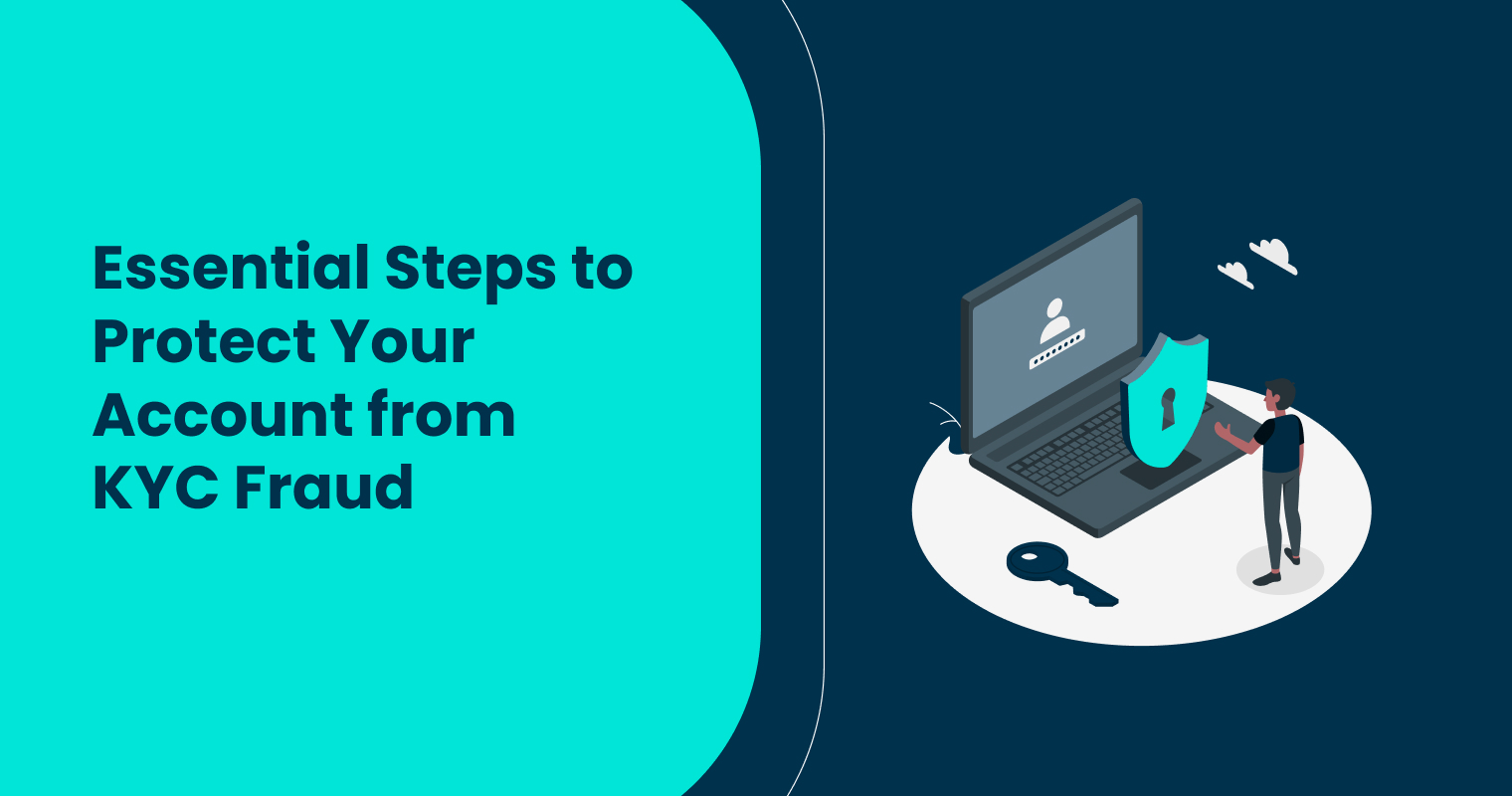
How to Protect Your Bank Account from KYC Scams
By Jai Finance | September 17, 2025
Overview of KYC Fraud in the Finance Sector
The whole world has tilted towards the digital side. Online financial transactions have reached an all-time high and are only increasing. Amid all these, the finance sector has become a prime target for fraudsters.
One of the fastest-growing threats: ‘KYC fraud’. It’s ironic that KYC or Know Your Customer was introduced to protect customers from money laundering, identity theft, and illegal activities. And, now? It has turned into one of the prime ways for scammers to fraud people.
In this blog, we’ll break down the real importance of repayment of loan, the common risks of being late, and the best ways to manage your loan repayment process without stress.
Whether it’s a bank or a Non-Banking Financial Corporation, every financial service provider relies heavily on KYC. Unfortunately, this reliance also makes them a hotspot for cybercriminals who know that if they can bypass KYC, they can access sensitive data and steal money.
So, let’s help you to protect your account (financial/non-financial) from KYC frauds.
What is KYC Fraud?
In simple language, KYC fraud happens when scammers trick individuals or even organizations into sharing their personal details. These details can be ID proofs, address documents, bank account numbers, or photos. And, the reason they give? ‘KYC!’
For example, you might receive a call claiming to be from your bank saying, “Your account will be blocked unless you update your KYC details immediately.” In this time, if you panic and share your documents or OTP, they could use that data for fraudulent activities.
You need to understand that this type of fraud doesn’t just affect your money. It can also put your identity at risk. Result? Much bigger problems, like fake loans in your name.
KYC Fraud Types in the Finance Sector
There are several types of KYC fraud you should be aware of:
- Phishing through calls or SMS – Scammers pretend to be from your bank or financial institution and ask for your KYC documents or OTPs.
- Fake KYC websites – Fraudsters create websites that look like official banking or electronic KYC verification portals to steal your data.
- Document theft – Your physical KYC documents can be stolen and used to open fraudulent accounts.
- Social engineering scams – Criminals use personal details from social media or public records to trick you into completing KYC for fake services.
How to Identify a KYC Fraud?
Now, this is a major step in tackling KYC fraudulent activities. You can consider this as your first and most important line of defense. How can you do that? Let’s see!
- Unsolicited requests for KYC – Your bank will never suddenly demand your KYC details via a random call, SMS, or WhatsApp message.
- Sense of urgency – Fraudsters often use scare tactics like “Your account will be blocked in 2 hours” to make you act quickly without thinking.
- Suspicious links – Fake KYC links may look genuine, but they often have spelling errors or unusual web addresses (look for those).
- Requests for OTPs or PINs – Legitimate KYC processes never require sharing OTPs over a call; remember: ‘NEVER’.
Things You Must Do to Keep Your Account Safe from KYC Fraud
Here are some strategies to prevent KYC fraud that you must follow (in all cases):
- Verify the source – Always confirm through official helplines before you share any personal documents.
- Use only official platforms – Complete KYC only through official bank apps, verified websites, or branch visits.
- Enable multi-factor authentication– Adding an extra verification step makes it harder for scammers to access your account.
- Stay updated – Keep an eye on your bank’s official announcements regarding KYC deadlines and processes.
- Report suspicious activity immediately – If you receive a suspicious KYC request, report it to your bank and cybercrime authorities as soon as you can.
Common Tactics Usually Employed in KYC Scams
Do you know, most scammers follow a certain pattern when they try to commit KYC fraud? Here are some common methods:
- Fake bank executive calls – Pretending to be from your financial institution to gain trust.
- Threat of account closure – Creating panic so you act without verifying the request.
- Use of convincing websites or logos – Fraudsters design lookalike portals that mimic real KYC verification sites.
- Collecting partial information first – Starting with harmless details and slowly extracting sensitive data.
Conclusion
KYC fraud is a growing problem, but staying alert can help you protect yourself. You’ve now learned:
- What KYC fraud is and how it works.
- The types of KYC fraud to watch out for.
- How to detect suspicious activities.
- The best strategies to prevent KYC fraud and keep your accounts secure.
At the end of the day, remember this golden rule: banks and financial institutions will never ask for your personal details or OTP over an unsolicited call or message. When in doubt: ‘JUST DON’T SHARE’.
Frequently Asked Questions
KYC scams usually involve fake calls, phishing emails, urgent SMS alerts, and fraudulent websites. Scammers pretend to be from your bank or a Nonbank Financial Institution and pressure you into sharing personal documents, OTPs, or bank details.
To prevent KYC fraud, verify every request, use official channels for electronic KYC verification, enable multi-factor authentication, and never share OTPs or PINs over calls.
Reusable Digital IDs store your verified identity details securely and allow you to complete KYC processes without repeatedly sharing sensitive documents. This reduces the risk of data theft and makes KYC fraud detection easier.
Dos: Verify sources, use official apps or websites, report suspicious activity, and keep your devices updated.
Don’ts: Never share OTPs, PINs, or passwords; never click on suspicious links; and never respond to unsolicited KYC requests.